Fall is here, and you might be wondering what to do with your garden and plants as the weather cools down. Proper end-of-season care prepares your landscape to survive the winter and bounce back vibrant in the spring.
Pruning & Cutbacks
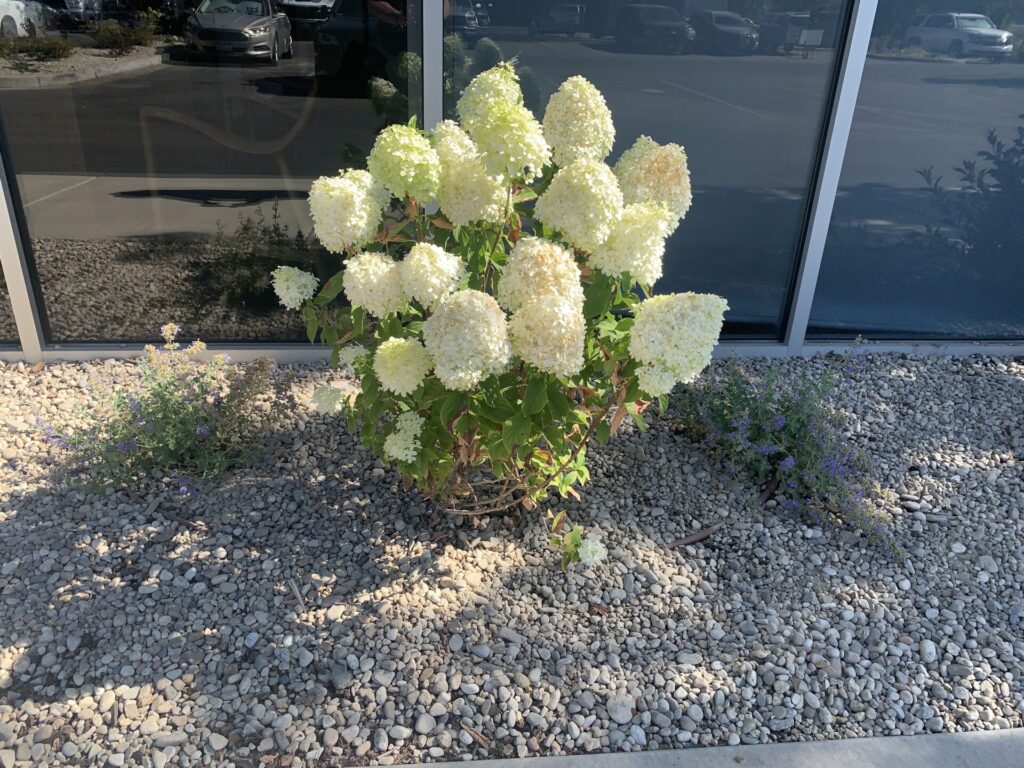
Hydrangeas: Hydrangeas can be left alone for the winter if you enjoy having the dried blooms catch the snow. They only need to be trimmed once per year; while cutting them in the spring is ideal, if you choose to trim them in the winter, cut them to your desired height for next season.
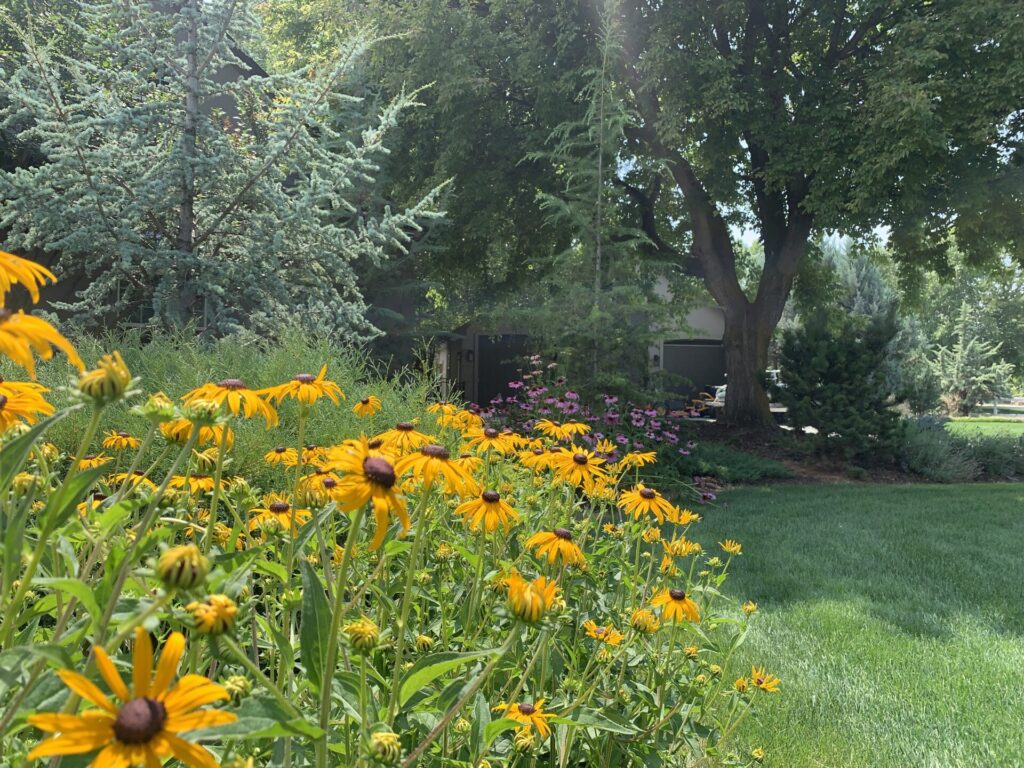
Perennials (Coneflowers, Catmint, & Goldenseal): If your coneflowers are dying back, they can safely be cut all the way to the ground. The same applies to other hardy perennials like catmint and goldenseal.
Hedges: It is best to hold off on trimming hedges until spring. Leaving them intact through the fall helps them endure the upcoming cold weather without winter damage.
Russian Sage: Now is a great time to trim back your Russian Sage. You can hang and dry the fragrant blooms to craft herbal sachets for your home.
Planting & Bulb Care
Fall Bulbs: Follow specific planting directions for each plant. Most true lilies need to be planted deeply in the soil (4–8 inches) to establish strong roots, requiring only a light layer of leaf mulch over the top soil to protect them through the winter.
Harvesting & Preserving
Garden Harvest: Reap the final fruits and vegetables from your autumn harvest. Now is the ideal time to begin canning, drying, or preserving your produce to enjoy through the winter months.
Watering & Freeze Protection
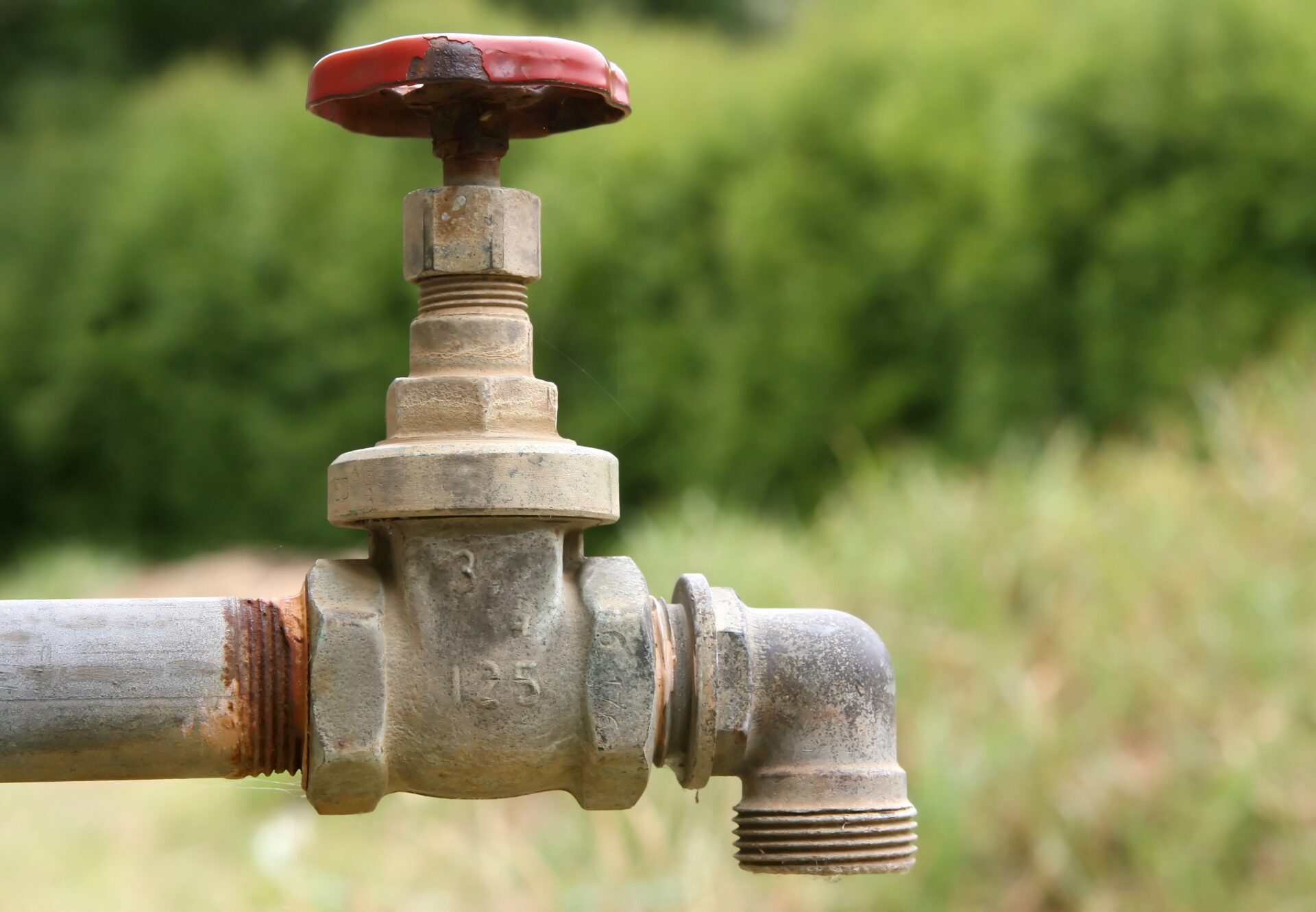
Continued Watering: Outdoor irrigation and main water lines will be shut off soon, but remember to continue watering your garden manually with a hose until the ground freezes.
Hose Safety: Don’t get caught with your garden hose still attached to your house during the first freeze. Leaving it connected can trap water and cause your home’s pipes to freeze and burst.